


The pursuit of happiness and finding meaning in life’s absurdities
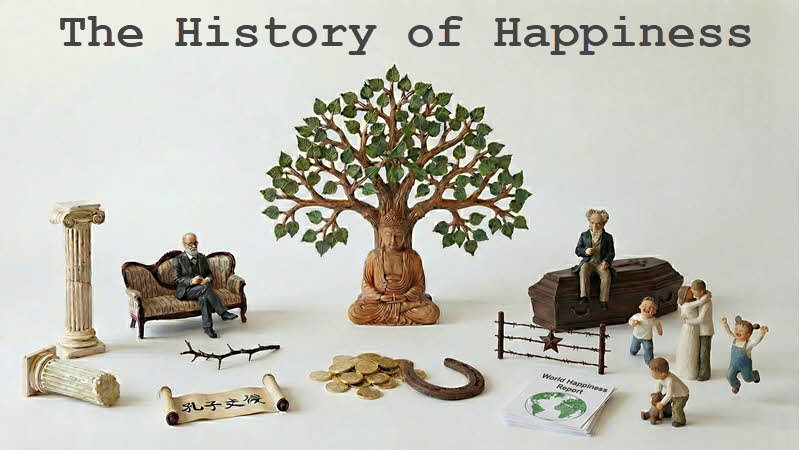
In ancient Israel, King Solomon was consumed by a question that has perplexed humanity since the dawn of time: “What is happiness?” He tasked his most trusted advisor, Benaiah, with finding a ring that could transform sorrow into joy and joy into sorrow, believing this magical object would reveal the key to contentment. After an arduous quest, Benaiah returned with a ring bearing the inscription, “This too shall pass.”
Solomon’s ring is a powerful metaphor for the fleeting nature of both happiness and pain, a truth that has captivated philosophers throughout history. People want to be happy all the time, but life has ups and downs that take us from temporary moments of happiness to inescapable depths of despair, no matter what we think or do.
The French philosopher Albert Camus likened our existence to that of Sisyphus, perpetually rolling a boulder up a mountain in a universe that offers no response to our existential dilemma. He proposed that the path to a more profound sense of happiness lies within this very struggle. When Sisyphus acknowledges the absurdity of his circumstances and confronts his boulder with defiant passion, he gains control over his fate. True contentment arises not from achieving our goals but from embracing the struggle itself.
What makes you feel good?
Psychology offers valuable insights into understanding happiness, and scientists have figured out what makes us feel good:
Happy people express gratitude for life’s blessings, prioritize their most cherished connections, and immerse themselves fully in the present moment rather than dwelling on past regrets or future anxieties.
The 7 daily mindsets of the happiest people in the world
Finland consistently ranks as the world’s happiest country in the UN World Happiness Report, yet Finns do not chase constant excitement. They rely on simple habits and a direct approach to daily life that keeps status anxiety low. Anchored by high trust in public institutions and the strangers on the street, this practical blueprint shows that lasting contentment comes from seven distinct mindsets:
- Honest realism: Finns keep their expectations grounded in reality rather than chasing perfection, which prevents disappointment and avoids the trap of toxic positivity.
- A low-flex culture: Wealth and status symbols are kept out of sight. By prioritizing utility and humility over showing off, people strip away the anxiety of trying to impress the neighbors.
- Sisu (stoic grit): When facing adversity, setbacks or a brutal winter, Finns rely on a quiet, stubborn resilience that treats obstacles as jobs to complete rather than reasons to complain.
- Radical everyday honesty: Skipping superficial pleasantries, Finns give direct, honest answers to simple questions like “How are you?”, building trust and cutting the mental clutter of performative small talk.
- Daily micro-doses of nature: With forests covering more than 70% of the country people treat time in the woods as a routine necessity, walking or biking urban trails regardless of the freezing temperatures.
- Regular slowdowns: Finns actively disconnect from productivity without guilt whether through the silent, phone-free ritual of the country’s 3.3 million saunas or by recharging at home alone.
- High civic trust: People look out for the collective good, follow rules and rely on public institutions, creating a deep sense of psychological safety in daily life.
By building daily life around simplicity, emotional honesty and quiet resilience, Finns prove that enduring peace of mind is much easier to maintain when you stop comparing your life to everyone else’s.
A future accomplishment will not unlock the door
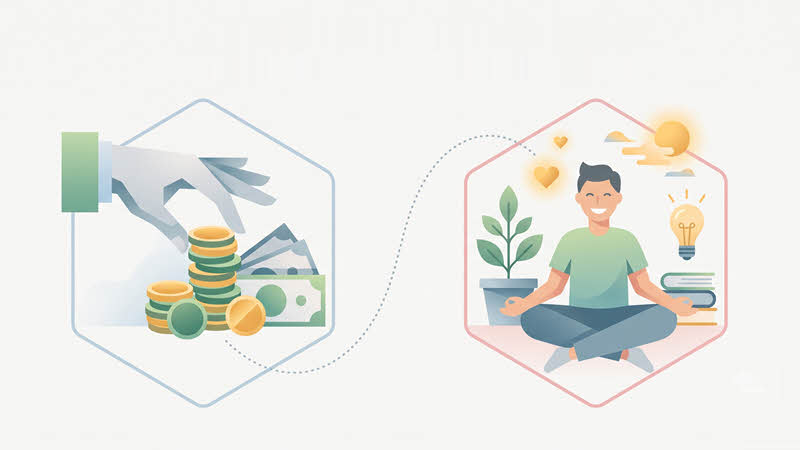
Despite these revelations, the human mind often succumbs to the belief that a future accomplishment or milestone will unlock the door to eternal happiness. We convince ourselves that finding the ideal partner, securing our dream job, or acquiring a larger home will bring us lasting fulfilment. Psychologists call this phenomenon the arrival fallacy, a seductive notion that leaves us disillusioned when confronted with reality.
The truth is that our minds adapt to new circumstances, reverting to a predetermined baseline of happiness influenced by our genes and upbringing, regardless of our achievements or possessions.
The key to happiness
The key to a fulfilling life lies not in the pursuit of happiness as an end goal but in wholeheartedly embracing both the joys and sorrows of the human experience. We must approach our dreams and challenges with dedication, accepting that setbacks and heartaches are inevitable, yet choosing to walk the path with optimism. Our sense of meaning should stem from engaging in life’s adventures rather than transient emotions. As Camus concluded:
“The struggle itself is enough to fill a man’s heart. One must imagine Sisyphus happy.”
Happiness may be a natural consequence of a life devoted to pursuing one’s highest calling. A life in which, as the poet Rainer Maria Rilke suggests, “No feeling is final.” A life that appreciates the journey, in both its triumphs and tribulations, while acknowledging the impermanence of it all.
The question, then, is not “What is happiness?” but rather, “How can we find purpose while experiencing both happiness and suffering?” In the narratives we craft, it is the courage to keep turning the page and welcoming each new chapter that leads to a sense of fulfilment when we reach the end.

Leave feedback about this