






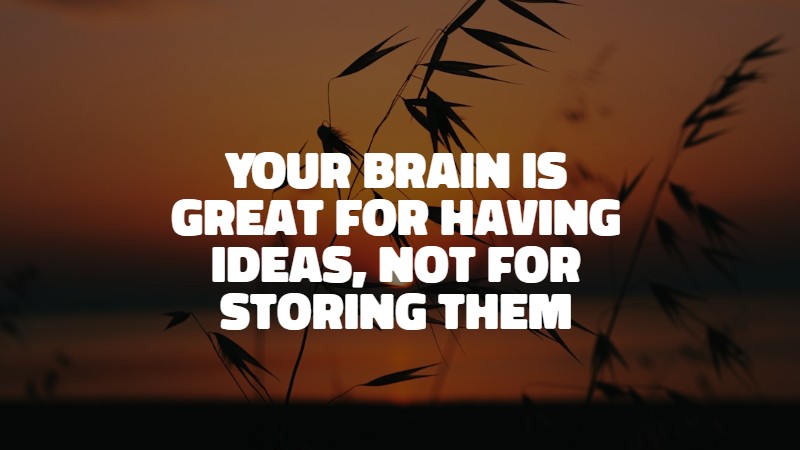
Your mind is for having ideas, not holding them.
About the author
David Allen was born in 1945 and grew up in Shreveport, Louisiana, where he excelled as a debater and won a state championship. He attended New College of Florida and later pursued graduate studies in American history at the University of California, Berkeley. But Allen’s path to becoming the world’s leading productivity expert was anything but straightforward.
After graduate school, Allen struggled with heroin addiction and was briefly institutionalized. What happened next reads like an adventure novel. His career path included work as a magician, waiter, karate teacher, landscaper, vitamin distributor, glass-blowing lathe operator, travel agent, gas station manager, U-Haul dealer, moped salesman, restaurant cook, personal growth trainer, and manager of both a lawn service company and a travel agency. Allen claims to have had 35 professions before age 35.
Allen began applying his perspective on productivity with businesses in the 1980s when he started consulting at Lockheed’s human resources department. He wrote his groundbreaking book “Getting Things Done: The Art of Stress-Free Productivity” in 2001, with a fully revised edition released in 2015. Time Magazine called “Getting Things Done” the definitive business self-help book of the decade, and Fast Company Magazine recognized Allen as one of the world’s most influential thinkers in personal productivity.
This quote has become a registered trademark of the David Allen Company and serves as the foundation of his entire Getting Things Done methodology.
The meaning of the quote
Stop trying to remember everything. Your brain is terrible at storage.
Think about the last time you lay awake at 3 AM mentally rehearsing tomorrow’s to-do list. Or when you interrupted a conversation because you suddenly remembered something you forgot to do three days ago. That’s your mind desperately trying to hold onto information it was never designed to store.
Allen describes these mental burdens as “open loops,” “incompletes,” or “stuff.” Every commitment you make to yourself that lives only in your head becomes a constant drain on your mental energy. Your brain keeps these loops open, constantly checking whether you’ve done them yet. This means less brainpower for thinking, creating and solving problems.
The solution is simple but requires discipline. Write everything down. Capture every task and idea in an external system you trust. Allen observed that our brains are much better at processing information than storing it. When you free your mind from the job of remembering, you create space for what it does best: making connections, generating insights, and coming up with solutions.
Here’s how to apply this principle starting today:
One warning: don’t confuse this with perfectionism. Your system doesn’t need fancy software or elaborate organization. It needs to be simple enough that you’ll actually use it every single day. A basic notebook works better than an abandoned app.
When you consistently externalize your commitments and ideas, something remarkable happens. Your creativity increases. You make better decisions. You sleep better. You’re more present in conversations because you’re not mentally reviewing your task list while someone is talking to you.
Let your external system handle storage while your brain does what it does best: thinking, creating, and connecting ideas in ways only you can.


Leave feedback about this