

I spend an embarrassing amount of time in bookstores, and I’ve noticed something. While the fiction section is filled with people of all ages wandering and discovering, the self-help aisle is packed with thirty-somethings in business casual leafing through “Atomic Habits” and “The 7 Habits of Highly Effective People.”
I used to be one of them.
Shopping basket heavy with books promising to optimize my morning routine, fix my relationships, teach me to think like successful people think. I felt productive just buying them.
This was what serious adults did. Reading serious books about serious topics.
Fiction? That was for escapism. For people with time to waste.
What I’ve learned
The young read fiction because they want to be enchanted, and the old read it because they know that’s where the real learning happens. But there’s this vast middle ground of people with just enough education to feel insecure about it. They read non-fiction because they think they need to change. I know, because I’ve been one of them.
We’re the ones convinced we’re always one productivity system away from having our lives together. One framework away from finally understanding people. One counterintuitive insight away from cracking some code everyone else seems to have figured out.
Publishers know it.
The non-fiction machine
Non-fiction books follows a formula. Drop a counterintuitive finding, illustrate it with three anecdotes, sprinkle with profound quotes, cite some studies, and wrap it in a framework with a catchy acronym. Pad it to 250 pages, throw in some graphs, and congratulations—you’ve got a book.
There are non-fiction books I’m glad I read once. Some have genuinely changed how I think. But there are novels I’ve read five times and will read again.
Why?
The novels keep revealing things. They don’t give up their secrets in one read-through because they’re not trying to transfer information. They’re creating experiences. They contain actual complexity, the messy contradictory texture of real life, instead of a carefully curated selection of studies that support a single thesis.
What is wisdom?
Let’s get honest about what we’re actually looking for.
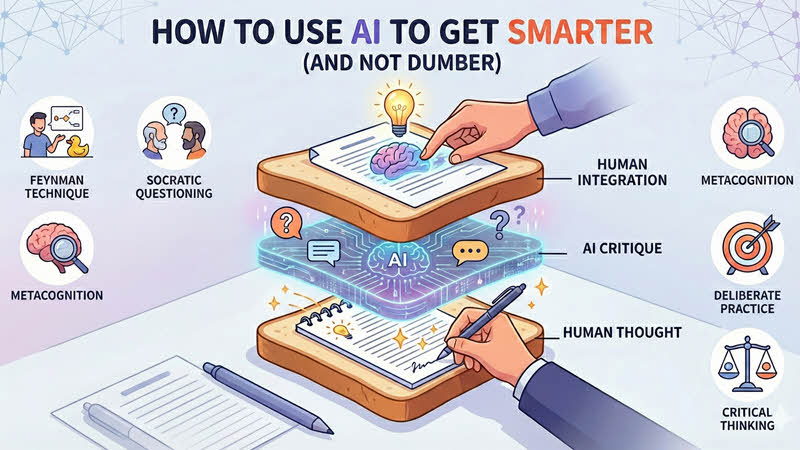
You can pull up ChatGPT right now and get an answer to almost anything. The information is there, instant and free. But knowing what to do with that answer? That takes something else.
Wisdom isn’t a collection of facts. It’s how to live learned through the slow accumulation of mistakes, metabolized by time and reflection. You can’t rush it. You can’t copy-paste someone else’s version into your life and expect it to work.
We don’t make logical decisions. We make emotional ones and construct logical explanations afterward. Wisdom is knowing this about yourself and others. It’s knowing when the rules apply and when they need to be thrown out.
And here’s the hard part: wisdom resists systematization. There’s no “Key Takeaways” section at the end of life. No 5-step framework for navigating grief, or choosing whether to stay or leave, or knowing what kind of person you want to become.
Those books with the bullet points are trying to systematize something that can’t be systematized.
Knowledge vs wisdom
Someone reads “How to Win Friends and Influence People” and walks away with techniques. Remember names. Ask questions. Show genuine interest.
Someone reads “The Unbearable Lightness of Being” and walks away having inhabited multiple lives. They’ve felt what it’s like to be every person in every kind of relationship, watched love transform into resentment in real time, seen how historical forces and social expectations shape what we think are our most personal choices.
Fiction doesn’t promise to make you better. It doesn’t have a three-step plan. It says:
“Here, live inside someone else’s consciousness for a while. See what you learn.”
What you learn isn’t something you can articulate in an Instagram caption or apply directly to your quarterly review. It’s the kind of wisdom that seeps into how you see people, how you handle ambiguity, how you recognize the space between what people say and what they mean.
The compressed truth
Most non-fiction could’ve been a blog post.
Think about the last business book you read. Subtract the celebrity CEO anecdotes, the padding, the repetitive examples. What’s left? Usually about 2,000 words of actual insight stretched across 250 pages.
The publishing industry needs books to be books, so authors inflate single insights into full manuscripts.
A great novel can’t be summarized. You can’t reduce “Anna Karenina” to its key takeaways. The point is the experience of reading it, of living through it page by page.
Lo esencial
Don’t get stuck in the self-help section, thirty-something and anxious, hoping some author has cracked the code to living that you can absorb in twelve chapters and an acronym.
Wisdom isn’t waiting for you in Chapter 9 with an acronym. It’s in the mess, the ambiguity, the uncomfortable space where easy answers don’t exist. It’s about understanding people—including yourself.
Fiction has been teaching us how to do that for thousands of years.
Deja tu opinión sobre esto